INSURANCE SECTORS
CES Northwest are a Specialist Contractor in the field of Insulation, Ventilation and Building Fabric with UK wide coverage.

CES Northwest are a Specialist Contractor in the field of Insulation, Ventilation and Building Fabric with UK wide coverage.
Most Insulation Systems carry a 25 Year Guarantee, should the insulation systems be affected by the action of the specified perils, this will invalidate the insulation system guarantee therefore the insured will not left in a pre-loss condition.
Removal and reinstatement of insulation systems safeguards the insurer and their supply chain from breach of duty and professional negligence claims. If the insured are left exposed without the 25-year guarantee, they are not able to apply the guarantee should a fault occur post insured refurbishment work.
Removal and more specifically, the reinstatement, comply to Building Regulations Section 23 – Thermal Elements – Part L1(a)(i).
Flood Damaged Homes can cause immediate deterioration to cavity wall insulation systems offering undue weight to the material. This causes the product to slump inside the cavity essentially causing a downwards effect leaving voids at higher areas leading to cold bridging not to mention penetrative damp.
It is the air-pockets contained within the insulant that retains heat, when excess moisture comes into contact with the material, the air-pockets become closed therefore losing its thermal conductivity.
Typically, air dryers and blowing fans are introduced in an attempt to dry the insulation in vain. Cases have been seen where blowing apparatus have been operational for weeks sometimes months and the cavity wall insulation still remains saturated. In addition, the insulation could be contaminated with harmful bacteria.
Escape of Water can be from above, below or midway and can enter the cavity walls from damaged fixed apparatus/pipes.
These entry points offer an opportunity for the insulant to consume the moisture. As the moisture is soaked into the insulation, this sometimes can offer resistance of the water therefore damp issues may not transpire immediately. As with Flood Damage, excess moisture in contact with insulation will naturally cause closure of the air-pockets, cause slumping of material and subsequent insulation failures.
This is also a direct breach of Clause 2 in the insulation guarantee and subsequently a loss to the insured.
Typically, it is deemed that there is not enough oxygen in a cavity to combust although heat stress can have an adverse affect on the insulation causing shrinking and subsequent thermal bridging. Cold bridging typically manifests in adverse weather conditions (winter/summer) therefore, transpiring issues may not be palpable for some time following fire damage.
Water used to extinguish fires can enter cavity walls via the external facades (bricks are porous) and into the cavity heads saturating the insulation system. The effect of this will be similar to Flood Damage and Escape of Water causing slumping of the insulation and closing of air-pockets therefore decreasing the thermal conductivity of the product.
Smoke particles can also contaminate the insulation which could be a cause of risk to health.
Damage by Theft can quite often have a negative impact on a cavity wall insulation system. Cases have been noted that entry points have been used by removing masonry or by removing windows. As both areas are remediated, insulation has been compromised leaving areas uninsulated resulting in voids leading to thermal & cold bridging.
This is a direct breach the Cavity Wall Insulation Guarantee in place therefore invalidating the policy.
Impact Damage whether it be vehicular, falling items or internally-activated; all can have adverse affect on cavity wall insulation systems both on-construction and retro-filled when the remediation measures take place.
When the outer-whythe of the property is removed and re-built, the insulation system will be altered and disturbed invalidating the insulation system guarantee.
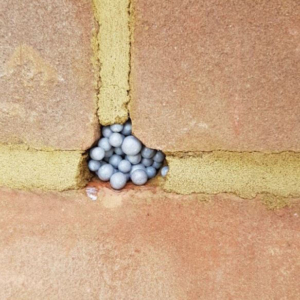
See the video which shows how the bonded spherical beads allow water to pass down through the cavity to be syphoned out of the wall at the damp proof course. This movement of water out of the cavity ensures no water breaches the cavity eradicating dampness and mould issues associated with insulation that has less water-resistant values.
Invariably, by leaving the cavity wall insulation in-situ, this would lead onto further technical problems for the insured by way of penetrative damp and thermal bridging. The removal and reinstatement of cavity wall insulation systems safeguards insurers (including their supply chain) leaving the insured confident that the program of work includes items that cannot be physically seen by the insurance supply chain.
Mineral Fibre
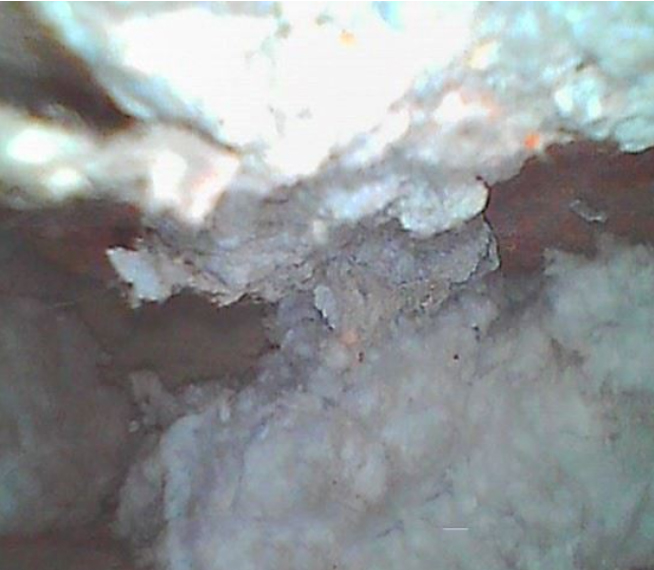
Rockwool
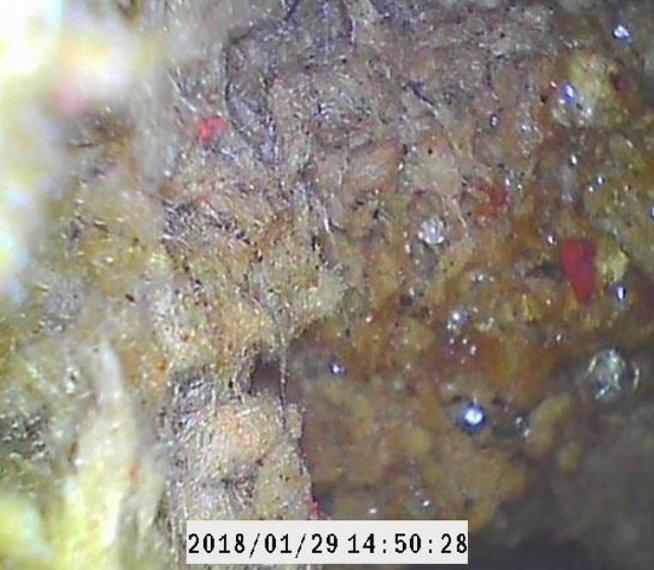
Formaldehyde Foam
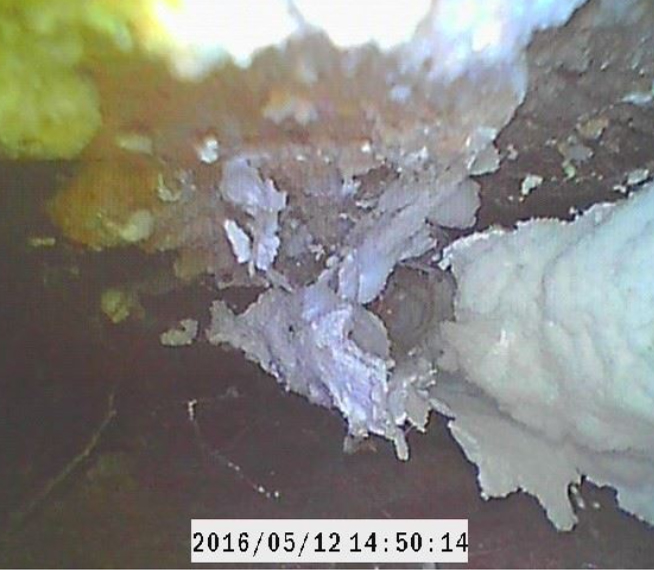
EPS Bonded Beads
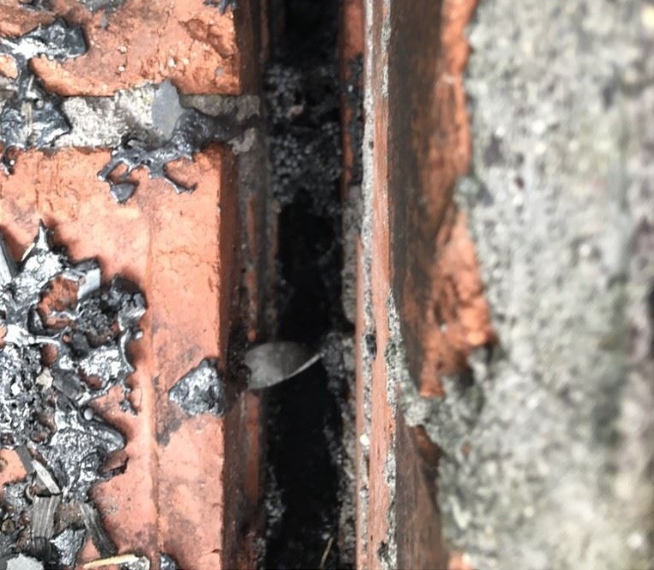
Typically, an invasive inspection is initially carried out within 48 hours from instruction and full report provided. In some circumstances, an Infrared Thermography report will need to be introduced by our specialist staff although our invasive inspections can provide visual images of any deficiencies.
Our specialist reports are CPR 35 compliant offering full confidence with respect to any recommendations or necessary appropriate actions. The Report is bespoken to the individual project and any subsequent recommendations are also bespoken with a detailed RAMS provided along with a Construction Phase Plan.
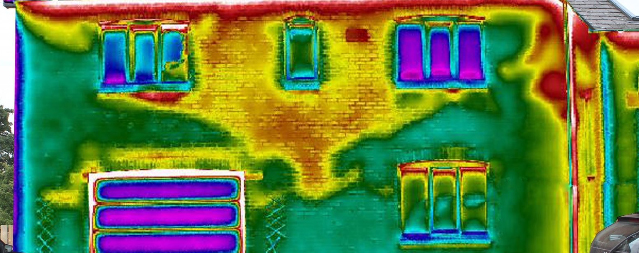
To couple our initial CPR35 Report, a full Work in Progress (WIP) Report is produced mid-project and upon completion before reinstatement, an approved Post Insulation Removal Report provided offering visuals of the entire project journey. This is also followed by our Guarantee and Certification of Insulation Removal.
Applying full compliance to CDM Regulations 2015 whilst engaging our experience to some of the most complex removal and reinstatement projects, make us the first-choice specialist contractor following any disaster.

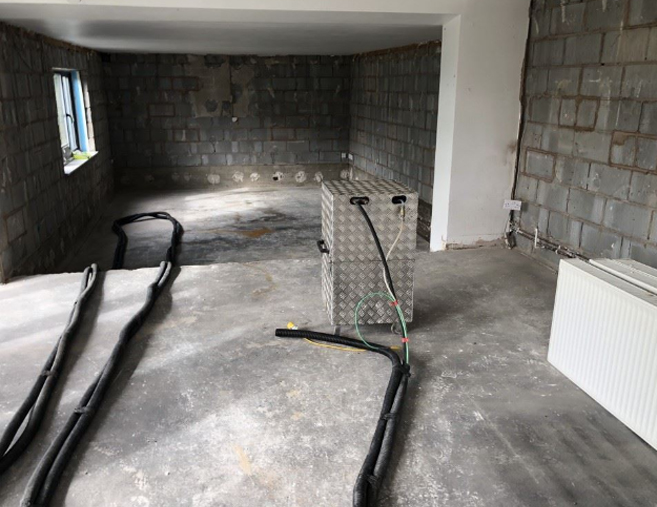
Our system negates the need for the property to be watertight as other ‘fog’ systems on the market allowing the decontamination process to take place immediately after insulation removal. Once decontaminated, the sanitising process can take place with swab samples taken and sent away for laboratory testing and subsequent approval.
The fast-acting solution begins to work immediately with the curing time taking a matter of hours; swab tests can be taken in various areas and sent for laboratory inspection. Once the results have been received as satisfactory (normally within 48 hours), the sanitisation process can take place.
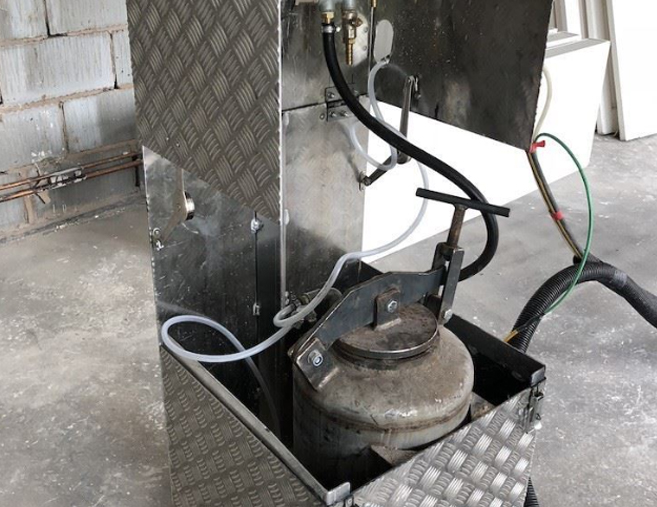
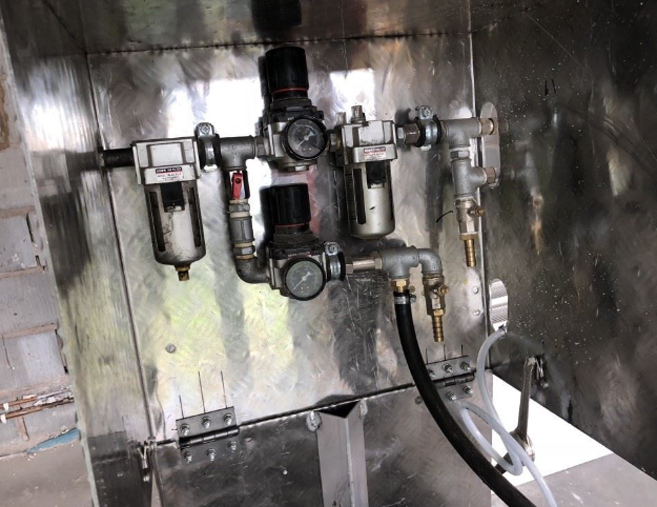
Our Technicians use full PPE and have been trained in the safe and correct use of the solutions we use coupled with the bespoke compressed-air injection plant.
All of our work carries Guarantees however the length can be dependent on the activity involved. Most of our work carries Insurance-backed Guarantees offering our clientele full confidence of longevity assurance in the rare occasion’s faults occur.
External Wall Insulation, Internal Wall Insulation, Room-In-Roof Insulation, Loft Insulation & Under-Floor Insulation.
External Wall Insulation, Internal Wall Insulation, Room-In-Roof Insulation, Loft Insulation & Under-Floor Insulation.
Address:
CES Northwest
Ground Floor,
Clifton House
Clifton Road,
Blackpool, FY4 4QA
Office – 01253 976615
Mobile – 07956 687699
Email – info@cesnorthwest.co.uk
Visit Our Facebook Page
Fully accredited technicians with a wealth of experience providing excellent service.


Cavity Extraction Specialists (NW) Ltd 779137 is an Appointed Representative of Improveasy Ltd., a company registered in England and Wales (Co. Reg. number 7807352). Registered Office: Manchester Business Park, 3000 Aviator Way, Manchester M22 5TG. The firm is authorised and regulated by the Financial Conduct Authority (FRN 708623). The firm is authorised as a Lender (limited only to green deal finance plans). It also acts as a Broker, not a Lender, and offers credit facilities from a panel/one lender. The credit is subject to application and status.